

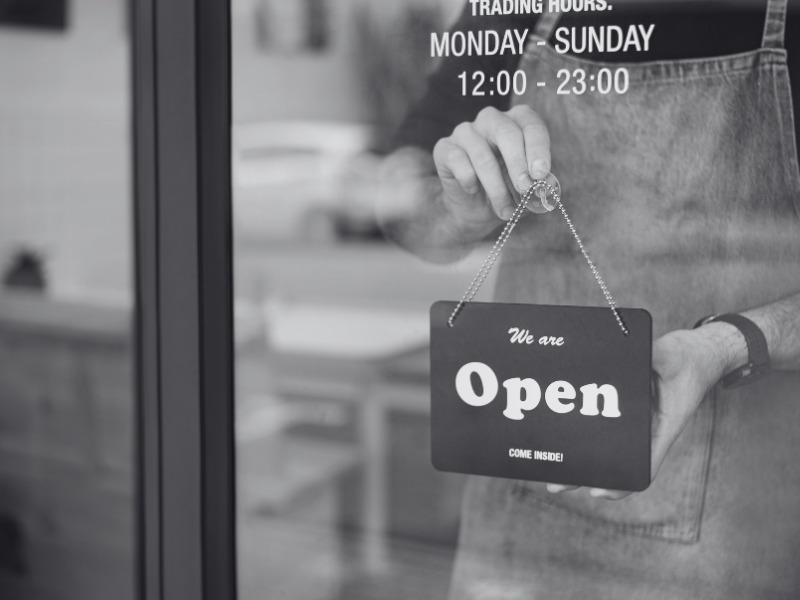
Thailand’s dining scene is one of the most dynamic in the world. From high-traffic cafés and casual eateries to fine dining concepts and global franchises, opportunities are everywhere. However, turning an idea into a successful restaurant here requires more than passion, it needs planning, structure, and local expertise.
Whether you are opening a café in Bangkok, a bistro in Sukhumvit, a beachside bar in Phuket, or a franchise in Chiang Mai, this step-by-step guide will help you understand what it takes to open a restaurant in Thailand.
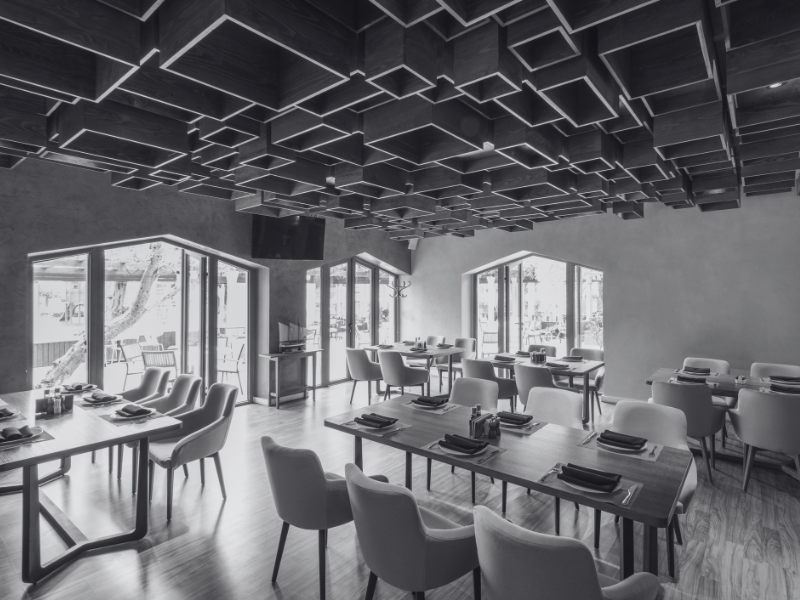
Step 1: Conduct a Restaurant Feasibility Study
Before choosing a location or signing a lease, you need to know if your idea can work. A restaurant feasibility study helps you answer:
- Who is my target guest, locals, expats, or tourists?
- How much will people spend per visit in this area?
- Who are my competitors, and what are their strengths and weaknesses?
- What do the sales, cost, and profit projections look like?
📌 Tip: A feasibility study in Bangkok can save you millions of baht in mistakes. It is where most failed restaurants go wrong.
For current market size and trends, see the Thailand F&B industry outlook from Krungsri Research. If you would like support, our Setup & Launch service runs full feasibility studies and financial models.
Step 2: Choose the Right Location
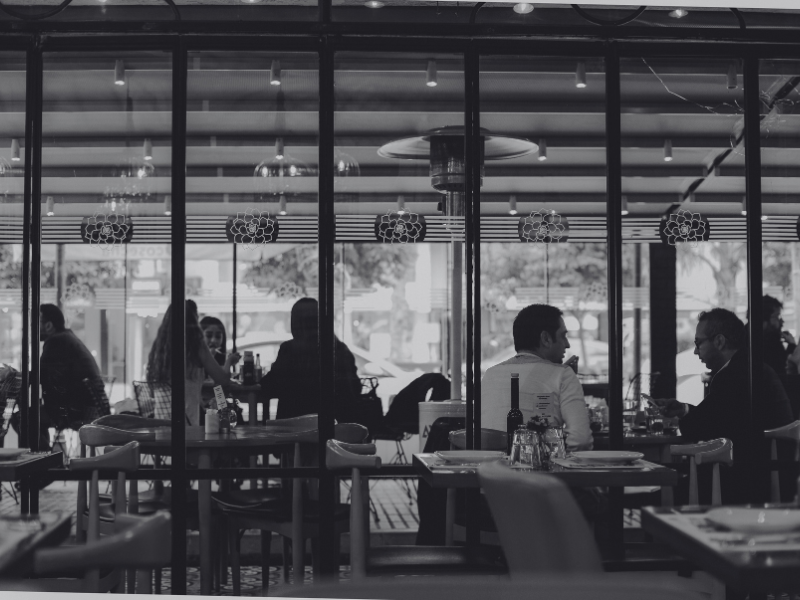
In Thailand, location is everything. The right spot can make an average concept succeed, while the wrong one can sink even the best idea. Options include:
- Premium malls (EmSphere, CentralWorld, IconSiam): high footfall, high rent.
- Lifestyle districts (Thonglor, Ari, Nimmanhaemin): trend-driven areas with loyal customer bases.
- Tourist zones (Phuket, Pattaya, Chiang Mai): big peaks, but also seasonal dips.
📌 Tip: Always check not only rent but also CAM fees (common area management), which can add 15 to 20 percent to monthly costs.
If awards are part of your strategy, review the criteria and listed venues in the MICHELIN Guide Thailand.

Step 3: Secure Licences and Legal Requirements
Every restaurant in Thailand needs specific licences before opening. These include:
- Business registration (company setup): register your entity with the Department of Business Development (DBD).
- Restaurant licence (food licence): here is a list of documents required.
- Alcohol licence (if you serve alcohol).
- Signboard tax (if you display signage).
- Foreign investor options: review structures via the Thailand Board of Investment (BOI).
📌 Tip: Working with an experienced consultant or law firm speeds up approval times and avoids costly delays.
Step 4: Develop Your Concept and Menu
Your concept and menu should reflect your target audience and chosen location. Examples:
- A coffee and bakery brand in a shopping mall should emphasise quick service and Instagram-friendly products.
- A fine dining restaurant in Sukhumvit may target awards like Michelin.
- A franchise casual dining outlet should focus on consistency and scalability.
📌 Tip: Keep food cost below 30 percent of sales, this is the benchmark for profitability in Thailand.
Step 5: Design and Fit-Out

Restaurant design is not just about looks, it is about flow and efficiency. Consider:
- Kitchen and service layout (to reduce delays).
- Seating mix (balancing comfort and maximum covers).
- Ventilation and utilities (common problem areas in Bangkok).
📌 Tip: A well-managed fit-out typically takes 3 to 6 months, depending on mall approvals and contractor schedules.
Step 6: Build and Train Your Team
Your team is the backbone of your restaurant. In Thailand, staff turnover is high, up to 70 to 75 percent annually, so investing in structure is key:
- Create clear job roles and daily checklists.
- Train staff on both service and upselling techniques.
- Build incentive programmes to keep people motivated and loyal.
📌 Tip: Structured training programmes reduce turnover and can increase average guest spend by 10 to 15 percent.
Step 7: Pre-Launch Marketing and Grand Opening
A strong marketing push before you open can make the difference between a quiet start and a fully booked first week. Effective channels in Thailand include:
- Social media (Instagram, TikTok, Facebook, LINE Official).
- Claim and optimise your Google Business Profile.
- Set up a LINE Official Account to reach Thai diners directly.
- Run neighbourhood-targeted ads via the Meta Business Help Center.
- Influencer reviews (local KOLs, food bloggers, Chinese-market influencers).
- PR and media features (press releases, lifestyle magazines, dining guides).
📌 Tip: Start your pre-launch marketing at least 6 weeks before opening to build anticipation and secure bookings.
Need help driving bookings? Our restaurant marketing covers social, ads, influencers, PR and CRM.
Frequently Asked Questions
How much does it cost to open a restaurant in Thailand?
The cost depends on size, location, and concept. A small café may start from 2 to 3 million THB, while a mid-size restaurant in a Bangkok mall can range from 10 to 20 million THB. Fine dining and franchise outlets often require more.
Do I need a licence to open a restaurant in Thailand?
Yes. You will need a restaurant licence (food licence), plus other permits such as an alcohol licence (if serving alcohol), company registration, and signboard tax if you display signage. For company setup, see the DBD; for food safety guidance, see the Thai FDA.
How long does it take to open a restaurant in Thailand?
Most restaurants take 4 to 6 months from lease signing to launch. This includes design, construction, licensing, team hiring, and pre-launch marketing. Mall projects may take longer due to the approval stages.
Can foreigners open a restaurant in Thailand?
Yes. Foreigners can open a restaurant, but they usually need a Thai partner or a BOI (Board of Investment) structure. See foreign ownership routes and incentives via the Thailand BOI. Many investors also choose to work with a management agency like Markedine to handle operations and compliance.
What are the biggest challenges of opening a restaurant in Thailand?
- High staff turnover (70 to 75 percent annually).
- Keeping food costs below 30 percent.
- Navigating licences and permits.
- Building consistent marketing to drive bookings.
Do you help with feasibility studies?
Yes, we conduct full feasibility studies, covering market analysis, costs, customer demographics, and financial projections. Learn more on our Setup & Launch page.
Can you manage the restaurant after launch?
Absolutely. Our management services handle daily operations, staff training, cost control, and reporting, allowing owners to step back while remaining in control.
Do you also do marketing?
Yes, we manage social media, influencer campaigns, PR, and ads to ensure your restaurant stays visible and keeps attracting guests. See our restaurant marketing.
Final Thoughts
Opening a restaurant in Thailand is both exciting and challenging. The competition is fierce, but with the right planning, licensing, training, and marketing, your restaurant can thrive, whether it is a café, bar, fine dining venue, or international franchise.
At Markedine, we have helped launch and manage restaurants across Thailand, guiding owners through feasibility studies, operations, and marketing campaigns that deliver results.
Schedule a free consultation today and let Markedine help you open your restaurant in Thailand the right way.